
Trauma
Are you ready to heal from trauma?
You’re seeking therapy because it’s time to deal with a trauma from your past. Most likely you have avoided talking with anyone about what happened. It may have happened once, or you may have lived for years with abuse. You tried to put it out of your mind and move on, but you realize that what you experienced is still affecting you.
You may have some of the following symptoms:
- Fear or anxiety (are tense, fearful, feel on alert);
- Sadness or depression (cry, lose motivation, avoid others, feel numb);
- Guilt and shame (feel at fault or like you’re a bad person);
- Anger and irritability (lash out, overreact);
- Behavior changes (abuse substances, take risks, stay busy);
- Reliving the event (nightmares, flashbacks, intrusive thoughts);
- Negative worldview (changes in how you view others or the world)
Common causes of attachment trauma
I’m an expert in helping people heal from trauma experienced in relationships. Often this trauma occurs during childhood and makes us more susceptible to unhealthy relationships later in life. Causes include:
- Emotional, physical, or sexual abuse
- Emotional neglect
- Family with alcoholism, mental illness
- Bullying
- Traumatic grief & loss
Emotional neglect: what didn't happen matters, too
An under-recognized form of trauma I frequently see is emotional neglect. This may occur in children of parents who are self-centered, overwhelmed by stress or emotionally unavailable.
Emotionally neglectful parents can’t meet their children’s emotional needs because they don’t know how or have their own unresolved issues. They dismiss or ridicule their children’s feelings and are unable to offer validation and positive attention.
Children of emotionally neglectful parents feel unloved, misunderstood, and unseen and think it’s their fault because something is wrong with them. They’re confused about why they feel so bad – after all, often their parents may say they love them and provide for them financially.
This confusion can lead to chronic problems with self-esteem, trust, anxiety, depression, and attraction to distant, abusive or unavailable partners.
“Being able to feel safe with other people is probably the single most important aspect of mental health; safe connections are fundamental to meaningful and satisfying lives.”
Bessel Van der Kolk
How trauma affects love
- Failing to protect yourself from others’ abusive behavior;
- Trouble setting boundaries;
- People-pleasing to the point where you lose a sense of self or compromise health;
- Having difficulty communicating your needs effectively;
- Having intense emotions that often feel out of control;
- Experiencing difficulty with emotional and/or sexual intimacy.
Focus on you as a whole person
A holistic approach to trauma recovery
The good news is that through therapy you can heal and learn to trust and live authentically. I integrate mind, body and spiritual approaches proven to be helpful in recovery from trauma. My favorite approach is Eye Movement Desensitization and Reprocessing (EMDR), which I’ve seen achieve amazing results.
EMDR therapy
EMDR is backed by more than 30 years of research in treating trauma. I'm a Certified EMDR Therapist and continue in advanced consultation and training.
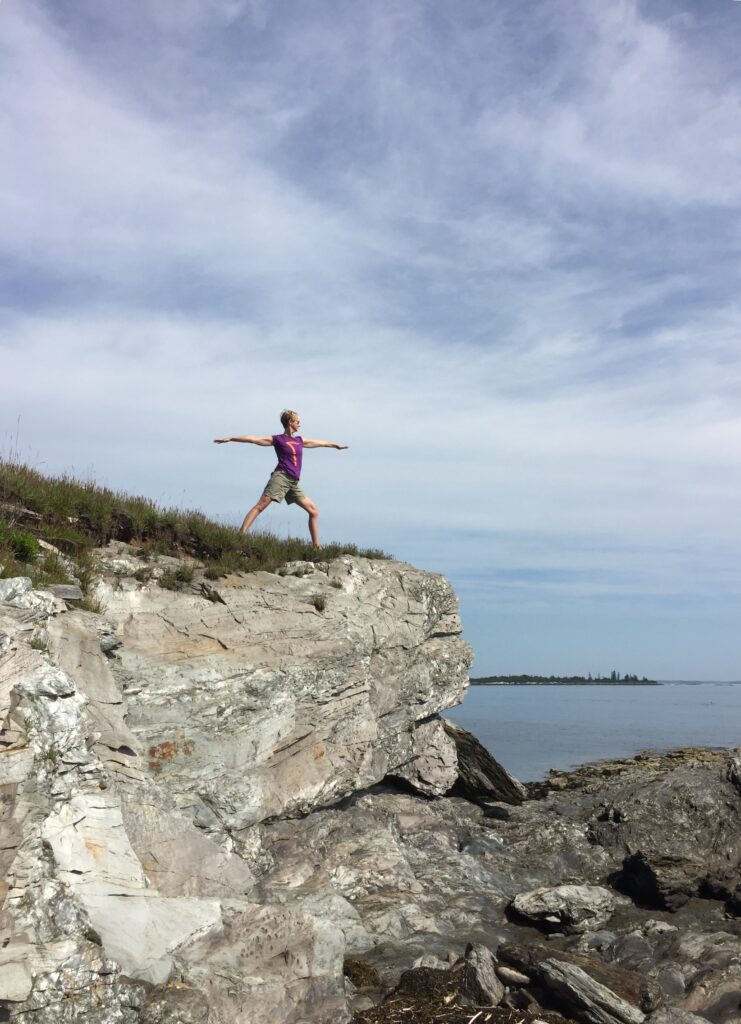
Subtle yoga
I completed 200-hour yoga teacher training for behavioral health. I teach gentle practices to calm the nervous system.
Dialectical Behavior Therapy
I teach DBT skills for emotion regulation, distress tolerance and interpersonal effectiveness.
Spirituality
I did a 2-year program in the mystical tradition at the heart of world religions. I'm open to bringing spirituality and the search for meaning into therapy if you wish.

Ready to begin trauma recovery?
Book your free 10-minute consultation.